In the world of productivity, learning how to prioritize tasks effectively is an essential skill that can drastically improve your efficiency. It’s not just about getting more things done but focusing on getting the right things done at the right time. Here’s how you can master the art of task prioritization for maximum productivity:
1. Master the Eisenhower Matrix
One of the most effective tools for prioritizing tasks is the Eisenhower Matrix. It divides tasks into four categories based on urgency and importance. Use tools like Trello or Todoist to visually map out your tasks in these categories:
Urgent and important
Important but not urgent
Urgent but not important
Neither urgent nor important
By focusing on tasks in the first two categories, you can ensure that you’re using your time wisely.
2. Utilize the Ivy Lee Method
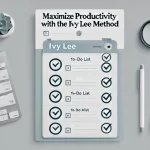
This simple yet powerful method involves creating a to-do list at the end of each day, listing only the six most important tasks you need to complete the following day. Prioritize them by importance and tackle them one by one. This approach keeps your to-do list manageable and focused.
3. Identify Your “MIT” (Most Important Task)
At the beginning of each day, identify your Most Important Task (MIT) and make it your top priority. By accomplishing this key task early in the day, you set the tone for productivity and reduce the stress of carrying it forward.
4. Incorporate the “ABCDE” Method
Brian Tracy’s ABCDE Method is a classic prioritization tool where you categorize tasks by importance:
A tasks: Must-do, high-impact tasks
B tasks: Should-do, medium-impact tasks
C tasks: Nice-to-do, low-impact tasks
D tasks: Delegate these tasks if possible
E tasks: Eliminate unnecessary tasks
This method helps ensure that your time is spent on tasks that offer the highest return on effort.
5. Regularly Review and Adjust
As priorities can shift, regularly reviewing and adjusting your task list is essential. Set aside time at the end of each week to assess your tasks, reprioritize, and plan for the upcoming week.
Mastering task prioritization will not only help you stay organized but also allow you to achieve consistent, high-level productivity by focusing on what truly matters.