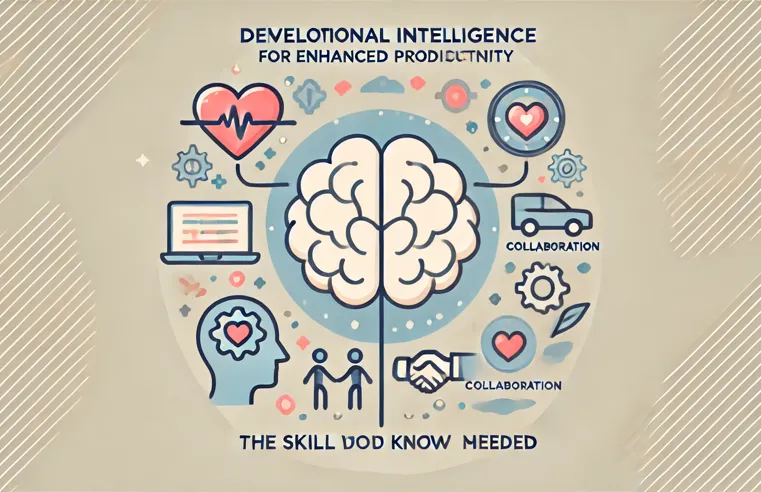
Emotional intelligence (EI) is an often overlooked but essential skill for boosting productivity. By mastering your own emotions and understanding the emotions of others, you can improve collaboration, decision-making, and personal productivity. Here’s how developing emotional intelligence can enhance your work efficiency:
1. Improve Self-Awareness
The first step to emotional intelligence is self-awareness. Understand your emotional triggers and how they affect your work. Tools like Mood Meter can help you track your emotions throughout the day and identify patterns that impact your productivity.
2. Manage Stress Effectively
Learning to manage stress is crucial for maintaining high productivity. When faced with stressful situations, practice techniques like deep breathing or mindfulness to stay calm and focused. Apps like Headspace or Calm offer guided meditations to help you manage stress.
3. Enhance Empathy for Better Collaboration
Emotional intelligence also means being empathetic towards others. By understanding your colleagues’ emotions, you can communicate more effectively and create a supportive work environment. This skill is especially helpful when managing teams or resolving conflicts.
4. Improve Your Decision-Making
When you’re in tune with your emotions, you can make clearer, more rational decisions. Emotional intelligence helps you avoid impulsive choices that might be influenced by stress or frustration, allowing for more thoughtful and productive outcomes.
5. Build Stronger Relationships
Lastly, emotional intelligence allows you to build stronger relationships with colleagues, clients, and managers. These relationships foster trust, improve collaboration, and ultimately lead to a more productive work environment.
By developing emotional intelligence, you can better manage your emotions and those of others, creating a positive impact on your productivity and overall work performance.