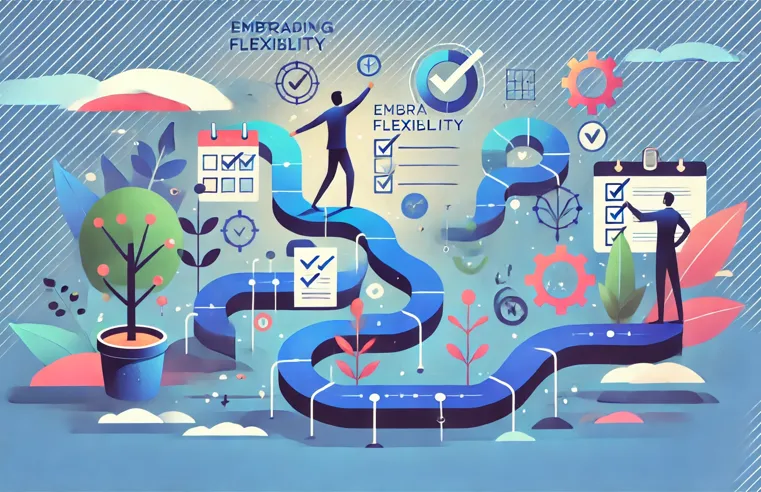
One of the most important mindset strategies for boosting productivity is embracing flexibility. In today’s fast-paced world, the ability to adapt to change and adjust your plans is crucial for staying productive. Flexibility allows you to navigate challenges, overcome obstacles, and stay focused on your goals even when things don’t go as planned. Here’s how to develop a flexible mindset and why it’s key to improving productivity.
1. What is Flexibility?
Flexibility means being open to change and willing to adapt when necessary. It involves letting go of rigid expectations and being able to shift your approach as circumstances evolve. This mindset helps you stay calm and focused when things don’t go as planned, allowing you to find solutions and maintain momentum.
2. How Flexibility Improves Productivity
When you embrace flexibility, you’re better able to handle unexpected challenges or changes in plans. Instead of feeling overwhelmed or stuck, you can quickly adapt and find new ways to move forward. This adaptability reduces stress, improves decision-making, and allows you to stay productive even in uncertain situations.
3. Using Notion to Stay Organized and Flexible
Notion is a versatile tool that can help you stay organized and flexible as your tasks and priorities change. Here’s how you can use it to embrace flexibility in your work:
Step 1: Organize Your Tasks: In Notion, create a flexible task management system where you can easily move tasks between lists or categories as your priorities shift. This helps you stay organized even when your plans change.
Step 2: Use Databases for Easy Adjustments: Set up databases in Notion to track projects and deadlines. As priorities change, you can quickly adjust dates, reassign tasks, or update your goals without disrupting your entire workflow.
Step 3: Reflect and Adapt: Use Notion’s journaling or notes features to reflect on what’s working and what needs to change. This reflection helps you adapt your approach and remain flexible in the face of challenges.
4. The Benefits of Flexibility
Reduced Stress: Being flexible helps you stay calm in the face of uncertainty, reducing stress and anxiety when things don’t go as expected.
Improved Problem-Solving: Flexibility encourages creative thinking and problem-solving, allowing you to find new solutions when faced with obstacles.
Increased Resilience: By adapting to change, you build resilience and develop the ability to keep moving forward, even when things get tough.
5. Building Long-Term Flexibility
Flexibility is a skill that grows with practice. Start by identifying areas where you can be more adaptable, such as adjusting your daily schedule or finding alternative ways to complete tasks. Over time, you’ll develop the mental agility needed to navigate challenges and stay productive no matter what comes your way.
By embracing flexibility and using tools like Notion to stay organized and adaptable, you can improve your productivity, reduce stress, and achieve your goals even in the face of uncertainty.